

Human Sustainability requires companies to create an environment that promotes well-being, fosters professional growth and development, and provides opportunities for advancement.
With markets saturated across various sectors and the steady rise of artificial intelligence in the corporate world to boost productivity, optimize processes, and consequently reduce the operational workload of employees, the value of human capital as a market differentiator becomes increasingly clear.
The concept of Human Sustainability requires companies to create an environment that promotes well-being, stimulates professional growth and development, provides opportunities for advancement, builds a vision of a greater purpose, and moves toward equity. Based on the value of intangible asset deliverables acquired through human capital—such as innovation, intellectual property, adaptability, ideas, and brand attributes—these, according to the Global Intangible Finance Tracking report from 2022, accounted for 90% of U.S. corporate assets in 2022.
“Companies cannot offer you a job for life, but they must make you employable for life.”
– Gabriel Sander, Human Resources Director at Cuervo
However, the numbers show that despite understanding human value, companies still remain distant from this goal. The2024 Global Human Capital report indicates that 76% of the companies analyzed recognize its importance, yet only 10% claim to actually invest in human sustainability.
The result of this lack of focus by companies on investing in their people is expressed through employee dissatisfaction and burnout.
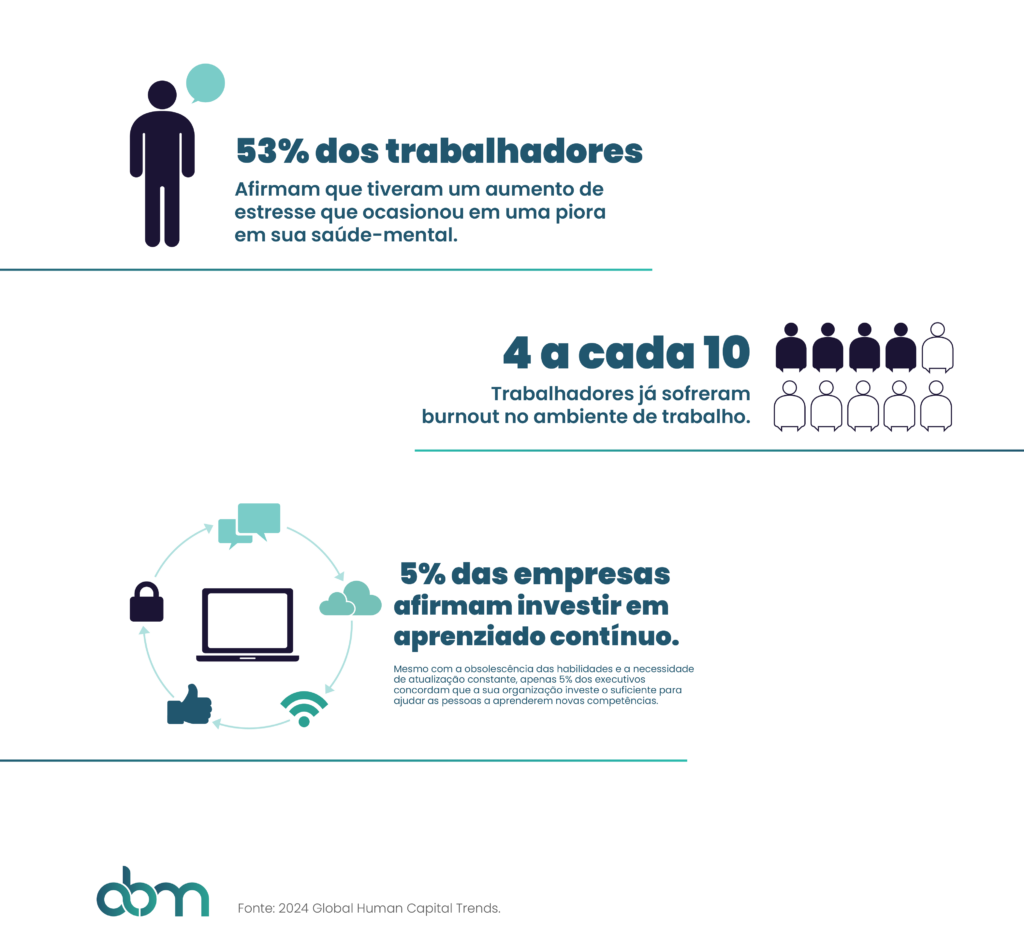
With low pay, no prospect of career advancement, and tasks lacking purpose, these employees show low productivity and are more likely to jump ship for a slightly better perk. This leads to higher turnover, lost sales, poor customer service, subpar execution, and frustration among both clients and managers.
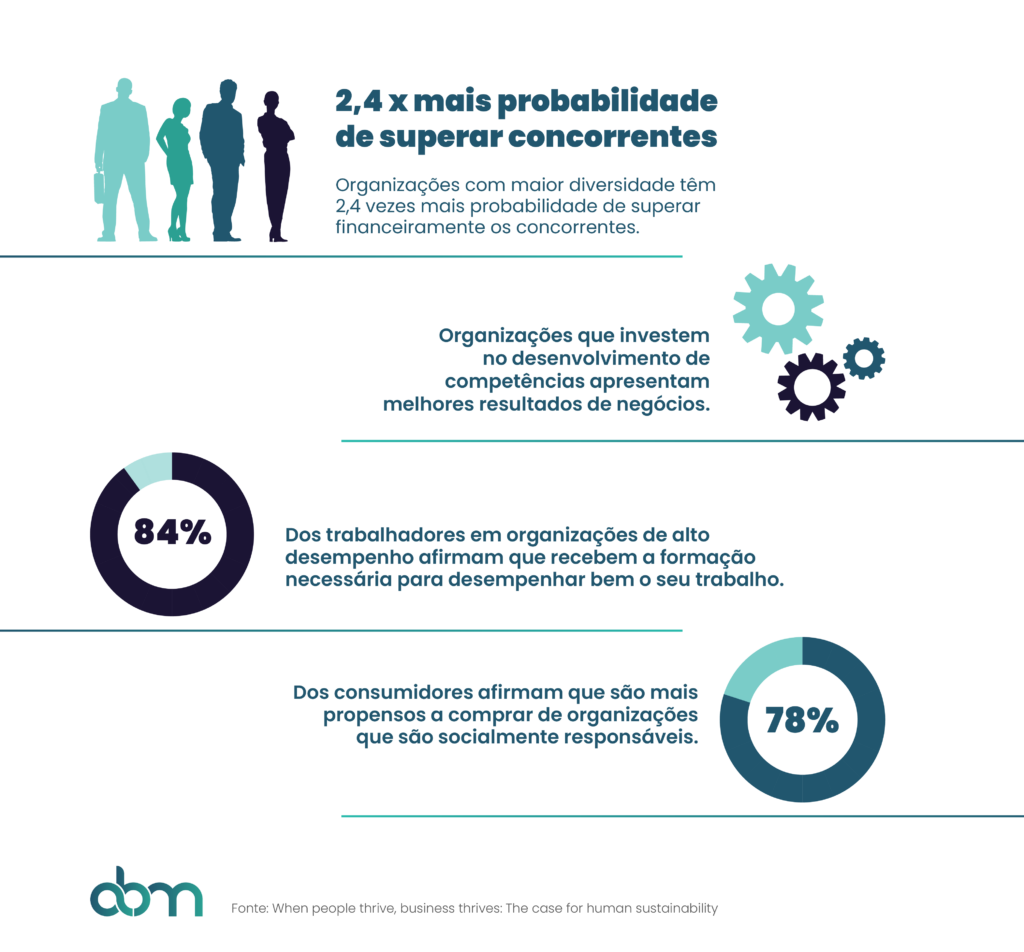
Conversely, research by the Wellbeing Research Centre at the University of Oxford indicates a strong positive correlation between employee well-being and company performance, including higher profits and stronger stock returns among organizations with the highest levels of well-being.
Focusing on Human Sustainability impacts not only employees, but also stakeholders and clients:
Where to begin? A mindset geared toward Human Sustainability replaces extractive and transactional thinking about people with a focus on creating value for everyone connected to the organization.
Focus on metrics that measure human outcomes – Organizations often use people metrics to quantify only the activities performed, rather than evaluating progress based on outcomes.
Restructure your business model toward Human Sustainability – Companies may be moving toward Human Sustainability, but in an isolated or disconnected way, with actions applied only to certain sectors. Viewing your business as a whole helps you connect the dots between initiatives and provides a holistic picture of the business impact of human sustainability.
Involve employees in the co-creation of new solutions – When structuring solutions, integrate employees and provide a space for dialogue about what they value and how this can be achieved together.
This is not something that happens overnight, nor does it have an end date. It is an ongoing, living effort that evolves and transforms as society and people change. But it can be done, and when properly implemented, it results in measurable success for businesses.
